


News center

The timing of the event is not explicitly stated in the source text, but data released by the China Shipping Exchange on June 28, 2026 shows a sharp weekly increase in the CCFI route tied to heavy truck whole-vehicle exports, with spot freight from Shanghai to Rotterdam rising to a new 2026 high. Combined with a 5% increase in Suez Canal transit fees, this development is less a routine freight fluctuation than a practical trade-rule and cost signal for exporters, importers, distributors, and supply chain service providers handling heavy truck shipments to Europe and Africa, especially where pricing terms, delivery planning, and FOB/CIF structures are sensitive to logistics cost changes.
What the latest shipping data confirms
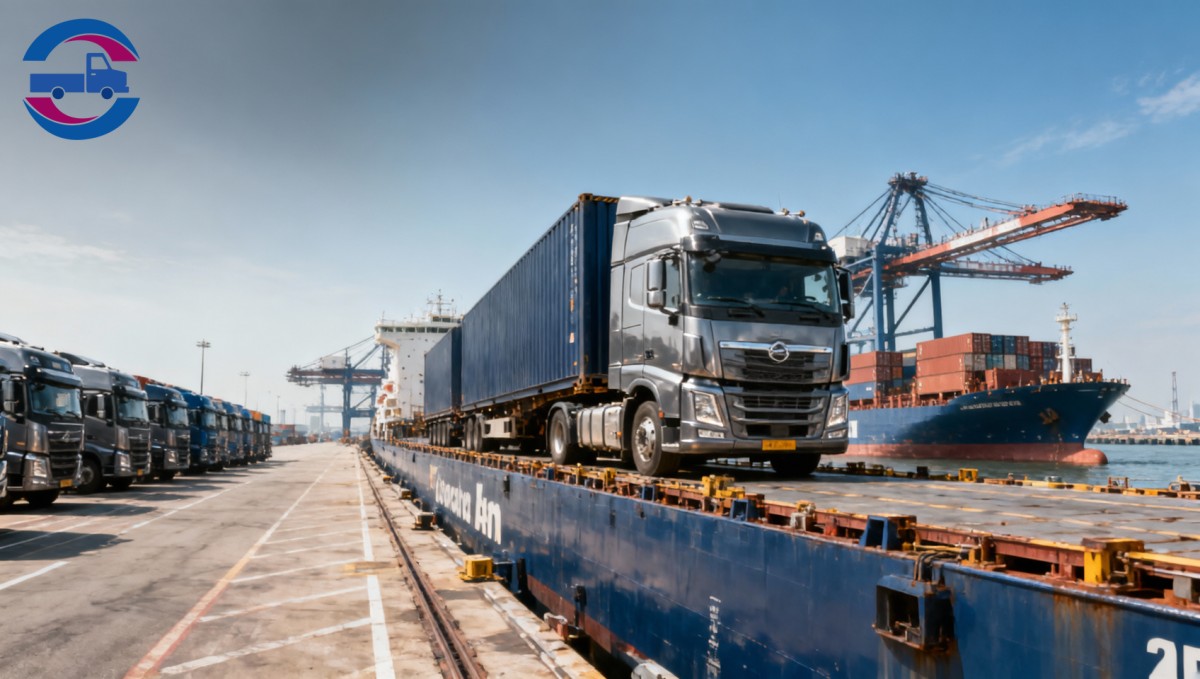
According to the user-provided event summary, China Shipping Exchange data dated June 28, 2026 shows that spot freight for Shanghai-to-Rotterdam heavy truck whole-vehicle roll-on/roll-off or flat-rack container shipments rose 12.3% in one week to $4,820/TEU, marking a 2026 high. The summary attributes the increase to the normalization of Red Sea rerouting and to peak-season stocking demand in Europe. It also states that Suez Canal transit fees increased by 5%, and that average heavy truck logistics costs for exports to European and African markets are expected to rise by 8-10% in Q3. The same summary notes that importers and distributors need to reassess procurement timing and the structure of FOB and CIF quotations.
Where the pressure is likely to show across the trade chain
Export quotation and contract execution may come under immediate review
From an industry perspective, exporters of heavy trucks are likely to feel the impact first in quotation validity, contract margin control, and shipment scheduling. Where freight is embedded in pricing or linked to delivery commitments, a rapid increase in spot rates can affect whether existing FOB or CIF structures remain workable. What deserves closer attention is not only the freight number itself, but whether trade documents, quotation terms, and delivery commitments are aligned with a higher-cost shipping environment.
Importers and distributors may need to reset purchasing rhythm
Analysis shows that importers and distribution-side buyers are exposed through landed-cost calculations, stocking cycles, and replenishment timing. The user-provided summary already points to the need to reassess procurement pace. In practice, the immediate concern is whether current purchase timing, inventory positioning, and agreed price terms still reflect actual transport costs. For businesses buying on CIF terms, the freight shift may feed directly into purchase cost; for those buying on FOB terms, the exposure may move into shipping arrangement and budget control.
Logistics and forwarding functions will need tighter document and cost control
Supply chain service providers, including parties coordinating ro-ro or flat-rack movements, may be affected through booking strategy, freight confirmation, and delivery coordination. Observably, when route costs rise alongside transit-related fee changes, the operational burden often shifts to cost breakdown review, transport mode selection, and closer checking of shipment-related documentation. The key issue here is execution discipline: businesses need to watch for whether freight assumptions in booking, invoicing, and delivery files still match commercial commitments.
What companies should watch now
Recheck FOB/CIF allocation before new quotations are issued
Analysis shows that one of the most immediate tasks is to review how freight risk is allocated in current and upcoming export deals. Because the source summary explicitly highlights the need to reassess FOB/CIF quotation structures, companies should pay attention to whether their quotation language, freight assumptions, and internal approval thresholds remain consistent with the higher route cost.
Review procurement and shipment timing against Q3 cost pressure
What deserves closer attention is the interaction between weekly freight spikes and the projected Q3 logistics cost increase of 8-10% for exports to Europe and Africa. This does not by itself confirm a fixed execution outcome, but it is a practical signal for procurement teams and export planners to revisit order release timing, shipment batching, and delivery sequencing where margins are sensitive to transport changes.
Check whether commercial and technical files still match delivery commitments
From an industry perspective, rising freight and transit-related costs can create downstream inconsistencies between quotations, purchase orders, shipping arrangements, and delivery promises. Companies should therefore watch contract files, bidding documents, logistics instructions, and related technical or trade paperwork to ensure that the commercial basis used at the time of sale still supports the intended delivery method and timeline.
Keep watching for execution language rather than assuming a settled rule outcome
The provided information indicates a market and cost signal, but it does not provide detailed implementation language beyond the fee increase and the need to reassess trade terms. For that reason, businesses should continue monitoring later official wording, counterpart requirements, and any changes in procurement or tender documents that may translate freight pressure into more specific execution expectations.
Why this looks more like an execution signal than a closed outcome
Observably, this development is best read as an operational signal with trade-rule implications rather than as a fully settled regulatory event. The confirmed facts show a sharp weekly increase in route costs, a higher Suez transit fee, and a projected logistics cost increase in Q3. Analysis shows that the practical significance lies in how those changes may affect freight-bearing terms, purchasing cadence, and delivery commitments. It is more appropriate to understand this as a live execution environment that requires closer contract, pricing, and shipment review, while further market feedback and rule interpretation still need to be observed.
How the market should read this stage
In sum, the latest CCFI-linked rate move on the Shanghai-Rotterdam heavy truck export route matters because it turns logistics volatility into a concrete pricing and delivery issue for cross-border trade participants. The confirmed information does not establish a broad new regulatory framework on its own, but it does indicate a cost and execution shift that businesses should treat seriously. At the current stage, it is more appropriate to understand this news as a landed change in shipping cost conditions and a clear signal to reassess procurement rhythm, quotation structure, and delivery planning.
Basis of this article and what still needs verification
This article is generated on the basis of the user-provided news title, event timing field, and event summary. The timing of the event was not explicitly stated in the input, and no specific official source link was provided in the input, so the underlying official link and any later clarifications still need ongoing verification. For this type of development, relevant source categories commonly include official announcements, regulatory releases, customs or trade authority information, industry association updates, standard-setting documents, and reporting by authoritative media. Further observation should focus on later official wording, execution interpretation, tender or procurement document changes, industry feedback, and how companies actually adjust trade terms and shipment plans.
Send Us A Message