


News center
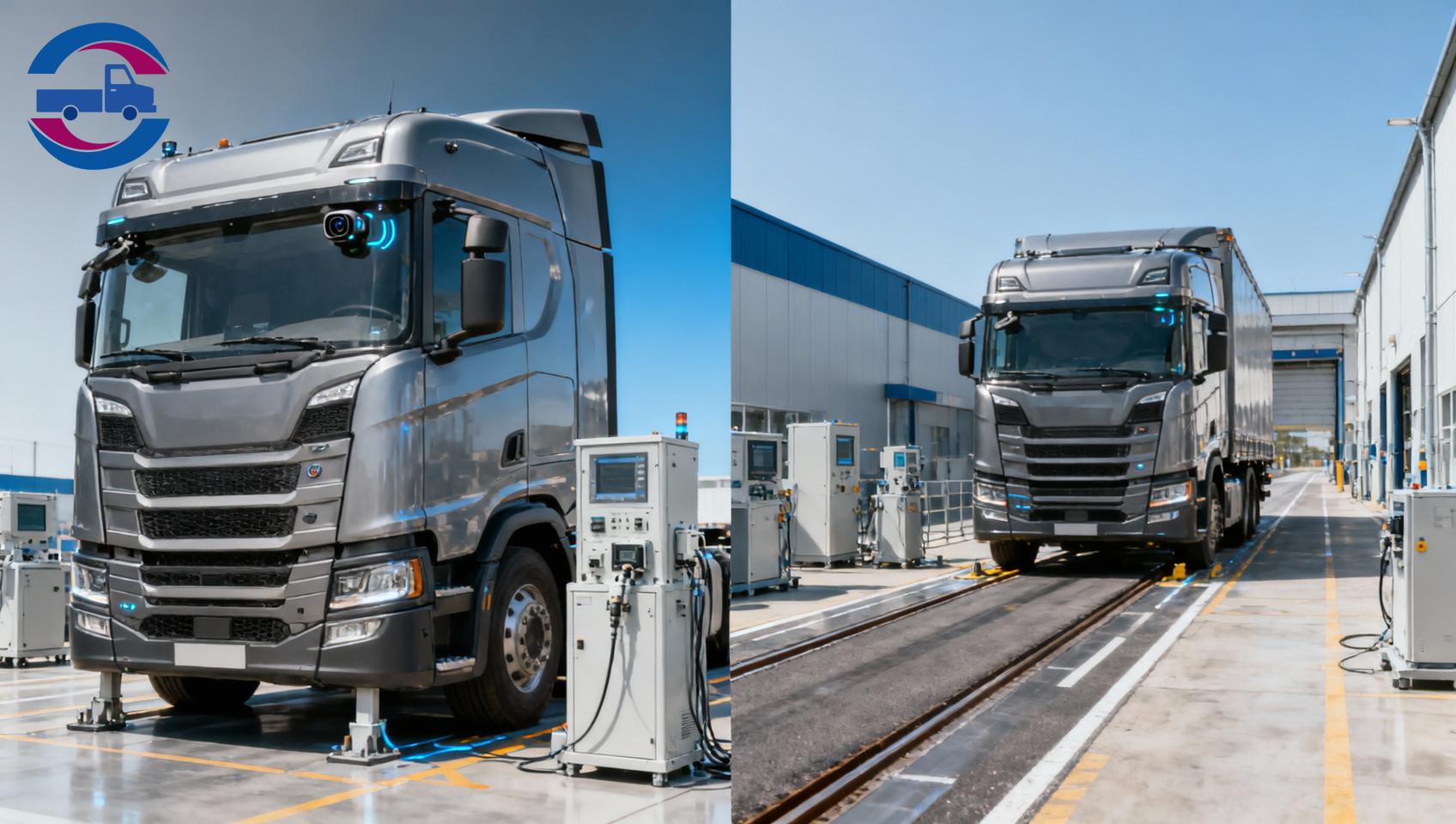
From July 1, 2026, the EU’s updated Whole Vehicle Type Approval framework under EU 2023/1925 brings L2+ driver assistance systems in heavy trucks into mandatory WVTA scope. Systems such as AEB, ACC, LDW, and remote diagnostic interfaces will need type approval before vehicles can be registered or sold in the EU market. For truck exporters, OE suppliers, importers, and testing-related service providers, this is not just a compliance update but a direct operational issue tied to market access, local test preparation, and delivery timing.
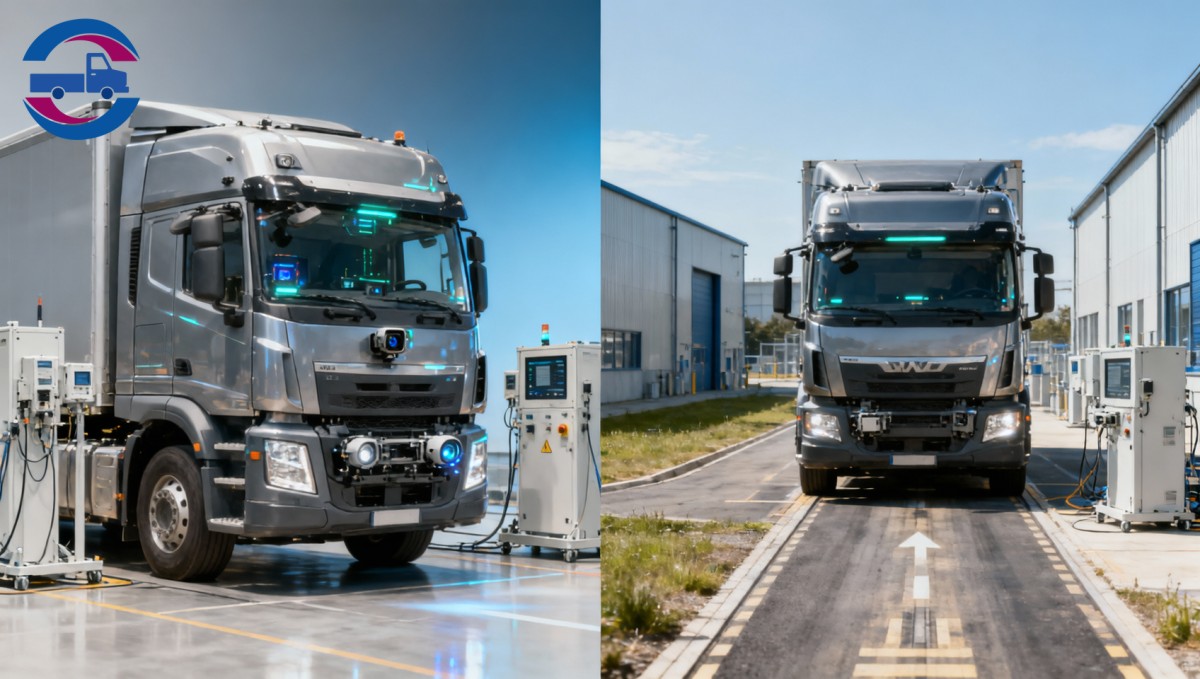
What the new requirement now covers
According to the provided information, the updated EU Whole Vehicle Type Approval framework regulation, EU 2023/1925, takes effect on July 1, 2026. Under this update, L2+ intelligent driver assistance systems for heavy trucks are included in the mandatory WVTA certification scope.
The systems explicitly referenced in the provided summary include AEB, ACC, LDW, and remote diagnostic interfaces. The same information also states that vehicles without the required certification cannot be registered or sold in the EU market.
The provided summary further confirms that the requirement directly affects OE supply access for Chinese heavy truck exporters, local testing arrangements, and delivery schedules. Importers are also advised to confirm supplier certification status in advance and reserve a three- to four-month certification buffer.
Where the impact is likely to be felt first
Export programs tied to EU market entry
From an industry perspective, exporters of heavy trucks to the EU are likely to feel the effect first because the rule is directly linked to whether a vehicle can enter registration and sales channels. The immediate pressure point is not only product configuration, but also whether the relevant intelligent driving assistance systems have cleared the required approval path in time for shipment and delivery planning.
OE supply access and component matching
Analysis shows that OE-related supply access may become more sensitive in projects involving AEB, ACC, LDW, and remote diagnostic interfaces. Where a vehicle program depends on these systems, supplier certification status may affect whether a truck configuration remains eligible for EU market entry. In practice, this makes supplier readiness a commercial issue as much as a technical one.
Importers and local market operators
Importers are directly exposed because non-certified vehicles cannot be registered or sold in the EU. What deserves closer attention is the need to verify supplier certification status early, rather than waiting until the final delivery stage. The provided information specifically points to the need for a three- to four-month buffer, which suggests that timing risk may become a key part of procurement and inbound planning.
Testing and delivery coordination
Observably, local testing arrangements and delivery schedules are among the most immediate business links affected by the new rule. Even without adding assumptions beyond the provided information, the signal is clear: certification timing now has a stronger connection to when vehicles can move through final market-entry steps.
What companies should track in practical terms
Confirm certification status before commercial commitments
For companies already supplying or sourcing heavy trucks for the EU market, one practical priority is to verify whether the relevant intelligent driver assistance systems fall within current certification planning. This matters because the rule affects whether vehicles can legally proceed to registration and sale.
Build certification time into delivery schedules
The provided information highlights a three- to four-month certification buffer. Analysis shows that this should be treated as a planning input for order confirmation, scheduling, and customer communication, especially where delivery commitments depend on EU entry timing.
Separate policy text from execution readiness
What deserves closer attention is the difference between a rule taking effect and a company being operationally ready for it. A regulation can be in force, but the business impact will depend on whether suppliers, importers, and related parties have aligned certification status, testing arrangements, and delivery plans in advance.
Keep documentation and supplier communication aligned
From an industry perspective, this update increases the importance of document readiness and supplier-side confirmation. Even based only on the provided information, it is reasonable to observe that certification status, supporting documentation, and schedule visibility will likely become central topics in importer-supplier communication.
Why this should be read as more than a routine compliance notice
Analysis shows that this development is best understood as an access-control signal rather than a minor procedural adjustment. The core issue is that the EU is tying market registration and sales eligibility more directly to the approval status of specific L2+ driver assistance functions in heavy trucks.
At the same time, it is more appropriate to understand this as an already actionable compliance development, not merely a long-range policy direction, because the effective date is specified and the consequence of non-certification is clearly stated in the provided information. Even so, continued observation remains necessary around how companies organize local testing, supplier confirmation, and delivery sequencing in response.
How the market is likely to interpret this update
In practical terms, this update points to a stricter connection between intelligent driving system compliance and commercial access to the EU heavy truck market. It should not be overstated as a full market reset, but it should also not be treated as a narrow technical footnote. At present, it is more appropriate to understand the rule as a concrete near-term compliance requirement with broader implications for supply coordination, shipment timing, and importer due diligence.
Basis of this article and points still requiring verification
This article is based on the user-provided news title, event date, and event summary concerning the July 1, 2026 implementation of the updated EU WVTA requirement for heavy truck intelligent driving systems. For this type of development, commonly relevant source categories may include official regulatory notices, company announcements, industry association updates, authoritative media coverage, and standards-related documents.
A specific official source link was not provided in the input, so the exact official publication path still requires follow-up verification. Ongoing attention should focus on any further official wording, implementation clarifications, and certification-related execution details that may affect supplier confirmation, local testing arrangements, and delivery lead times.
Send Us A Message